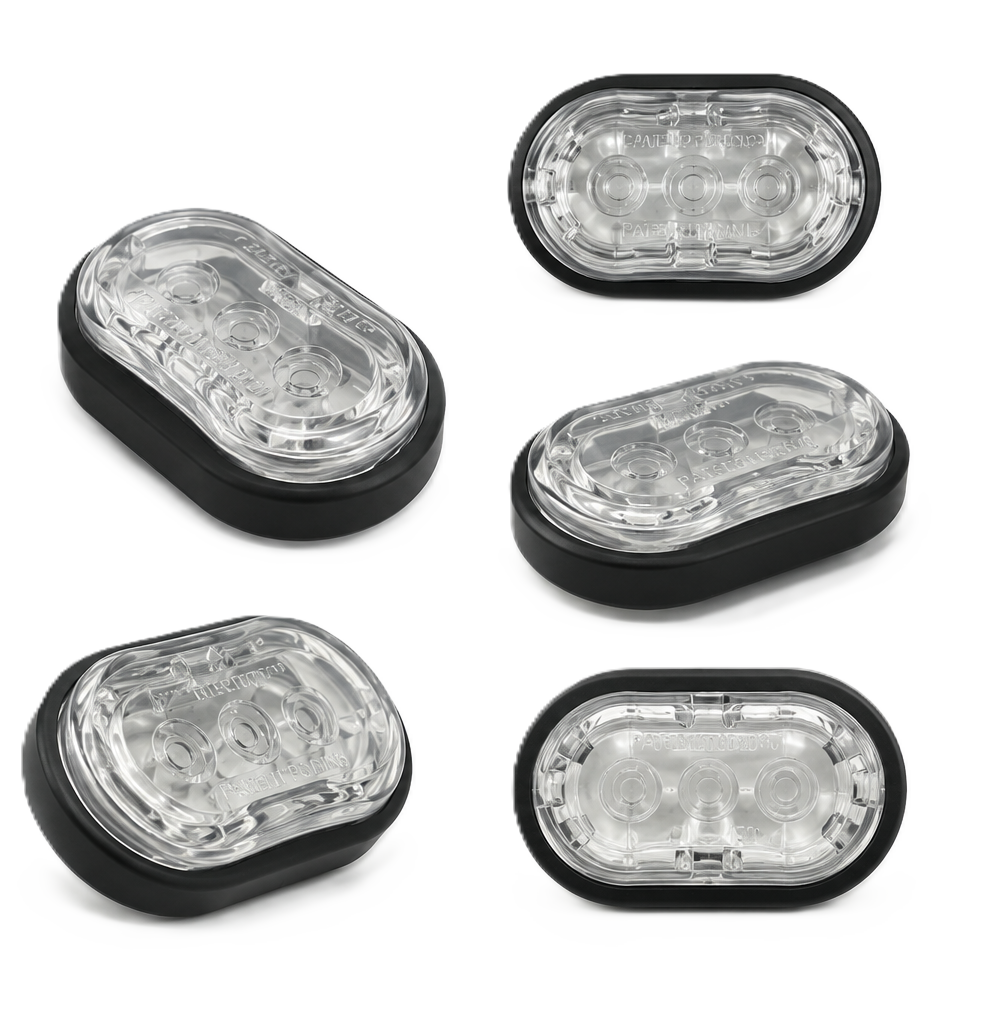
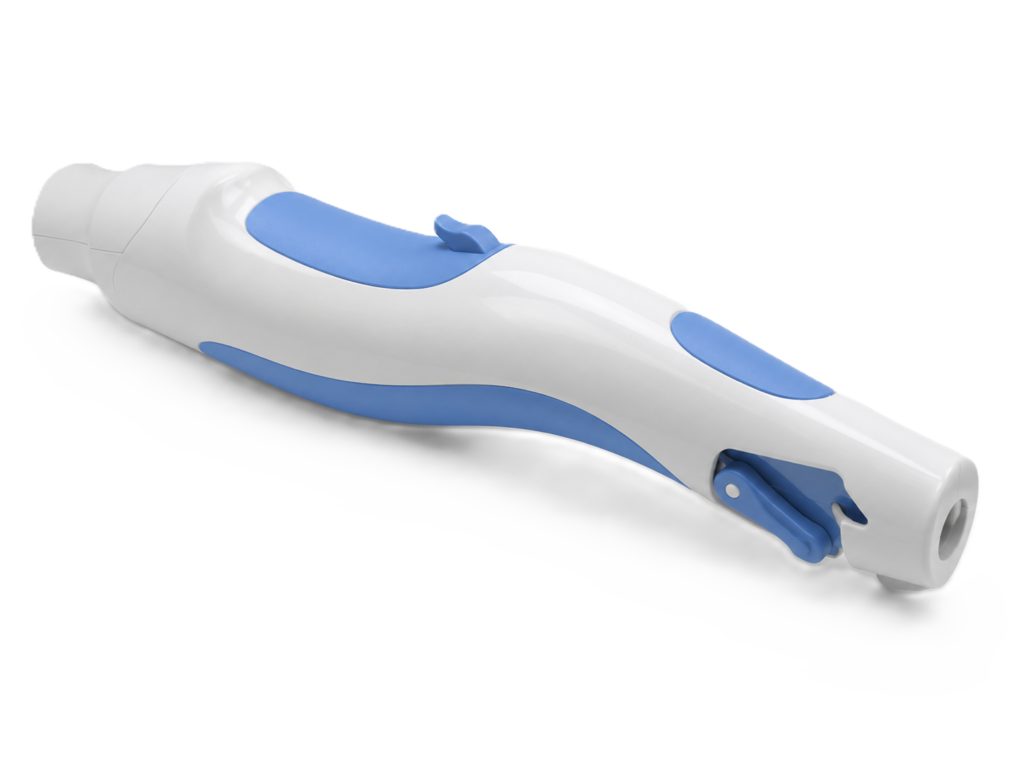
Bonding substrate and second-shot material into a single molded component.
Overmolding takes two materials typically a rigid substrate and a softer or functional second material and bonds them into one part in the molding process itself. The seal, the grip, or the insert stops being a separate component to source, inspect, and assemble, and becomes part of the part.
Why Overmold
Where We Apply It
We overmold grips and handles, gaskets and seals, buttons and soft-touch housings, and components that combine a rigid structural element with an embedded seal or sensor interface across medical, industrial, and consumer programs.